Wound Debridement Palm Coast: Advanced Treatment for Better Healing Outcomes
Wound Debridement Palm Coast is an important part of modern care for many chronic and difficult-to-heal wounds. By removing non-viable tissue and preparing the wound bed, appropriate debridement can support healing and reduce barriers to recovery. Wound Care St Augustine provides personalized wound management, combining careful assessment, advanced therapies, and patient-focused treatment for complex wounds.
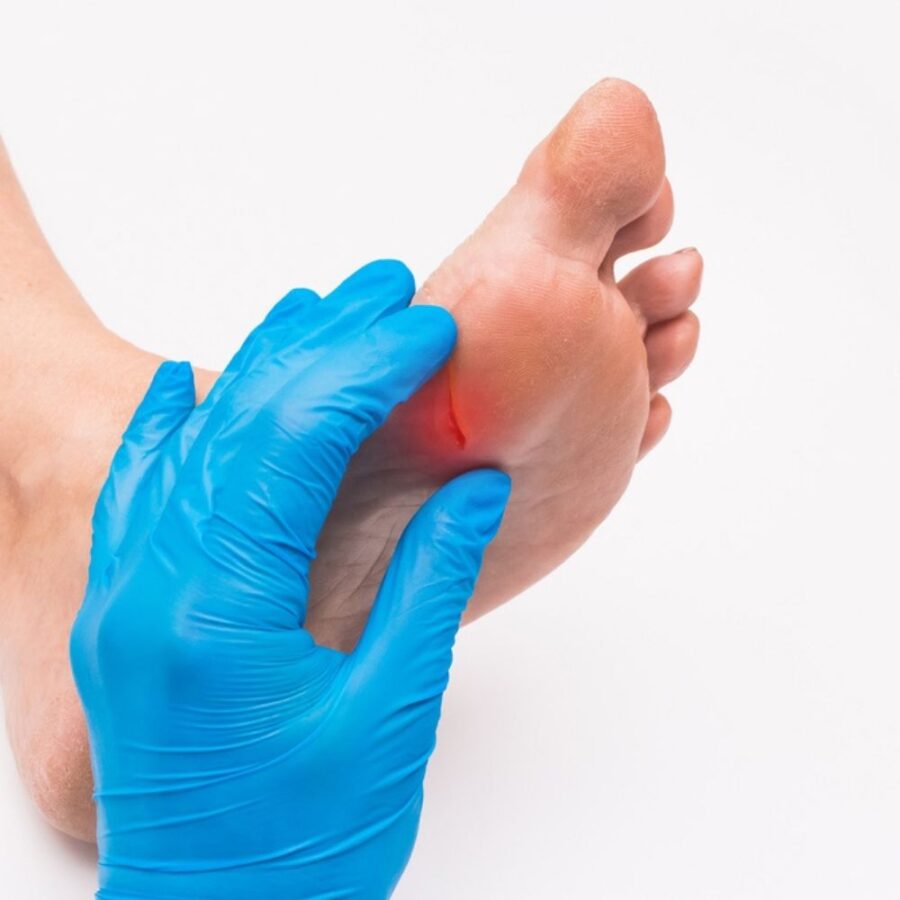
Understanding Wound Debridement Palm Coast
A wound that does not heal normally can become increasingly
difficult to manage. Dead tissue, slough, debris, and other non-viable material
can interfere with the body's natural healing process. Wound
Debridement Palm Coast is a medical procedure used to remove this
unwanted tissue and help prepare the wound for further treatment.
Current wound-care guidance continues to recognize debridement
as a cornerstone of wound-bed preparation. A 2026 multidisciplinary consensus
emphasizes matching the debridement approach to the wound, patient factors,
treatment goals, pain considerations, and clinical circumstances.
The goal is not simply to remove tissue. The larger objective
is to create a healthier wound environment that can support healing.
Why Wound Debridement May Be Necessary
Some wounds contain tissue that the body cannot effectively
repair. Non-viable tissue can create obstacles to healthy tissue development
and may contribute to bacterial burden and inflammation.
Professional Wound Debridement Palm Coast can help address
these barriers when clinically appropriate. Debridement may be considered for
selected chronic wounds, ulcers, surgical wounds, traumatic injuries, and other
complex wounds.
However, debridement is not automatically appropriate for
every wound. Blood flow, infection, wound depth, tissue condition, pain,
medications, and overall health must be considered before choosing a technique.
The 2023 pressure-ulcer guidelines, for example, recommend
assessing tissue perfusion before debridement and recognize several approaches,
including sharp, mechanical, enzymatic, and autolytic methods.
Different Approaches to Wound Debridement
There is no universal debridement technique for every patient.
Healthcare professionals select an approach according to the wound and the
patient's needs.
Sharp Debridement
Sharp debridement uses appropriate medical instruments to
remove non-viable tissue. It can be useful when relatively rapid removal is
necessary, but it requires appropriate clinical judgment and expertise.
Mechanical Debridement
Mechanical approaches use physical methods to remove unwanted
material from the wound. The appropriate technique depends on the wound's
characteristics and the patient's tolerance.
Enzymatic Debridement
Enzymatic methods use topical agents designed to break down
specific components of non-viable tissue. They may be considered when other
approaches are less suitable.
Autolytic Debridement
Autolytic debridement uses the body's natural processes,
supported by appropriate moisture-retaining dressings, to help break down
non-viable tissue.
The choice should be individualized rather than based solely
on the name of the wound or the treatment's popularity.
Wound Treatment Palm Coast Requires More Than
Debridement
Although Wound Debridement Palm Coast can be an important
component of treatment, it is only one part of comprehensive wound management.
Effective Wound
Treatment Palm Coast may also involve infection assessment,
appropriate dressings, moisture management, pressure relief, circulation
evaluation, nutritional considerations, and monitoring of healing progress.
A major consensus on chronic wounds emphasizes diagnosis,
debridement, infection control, dressings, pain management, and other factors
as interconnected components of comprehensive care.
This broader perspective matters because removing unhealthy
tissue alone does not address every reason a wound may fail to heal.
Who May Need Professional Wound Care?
Professional evaluation can be especially important when a
wound:
- Has
remained open longer than expected
- Contains
dead or discolored tissue
- Produces
unusual drainage
- Shows
increasing redness or swelling
- Has
recurring problems
- Is
associated with pressure or reduced mobility
- Developed
after surgery
- Is
related to diabetes or another underlying condition
A wound-care specialist can assess the wound and determine
whether debridement or another intervention is appropriate.
Wound Care St Augustine states that its services include wound
assessment and debridement, including sharp debridement and Sanuwave®
ultrasonic technology.
Modern Wound Care Is Becoming More Personalized
A major trend in current wound management is individualized
treatment. Rather than using the same procedure for every patient, clinicians
increasingly consider wound characteristics, patient preferences, pain, healing
goals, and underlying conditions when developing a treatment strategy.
The 2026 U.S. multidisciplinary consensus on debridement
specifically supports a flexible approach that can escalate or de-escalate
treatment according to wound and patient factors.
This patient-centered approach can make Wound Treatment Palm
Coast more responsive to the patient's changing condition.
Why Professional Care Matters
Attempting to remove dead or damaged tissue at home can cause
bleeding, additional tissue injury, or infection. Debridement should therefore
be performed only by appropriately trained healthcare professionals using a
technique suitable for the individual wound.
Wound Care St Augustine describes its approach as personalized
and evidence-based, with care for chronic wounds, diabetic ulcers, pressure
sores, surgical wounds, and other difficult-to-heal injuries.
Professional monitoring also allows the care team to recognize
whether the wound is improving or whether the treatment plan needs adjustment.
The Importance of Early Attention
A wound that continues to deteriorate should not simply be
covered and ignored. Delayed care can make wound management more complicated,
particularly when infection, poor circulation, pressure, or non-viable tissue
is involved.
Seeking professional Wound Treatment Palm Coast early can help
identify potential barriers to healing and establish an appropriate care
strategy.
The objective is not merely to make a wound look better
temporarily. Effective wound management focuses on addressing underlying
problems while supporting progressive healing.
Conclusion
Wound Debridement Palm Coast can play an important role in
preparing selected chronic and complex wounds for healing. By removing
non-viable tissue, appropriate debridement may help reduce barriers within the
wound environment and support subsequent treatment.
However, successful Wound Treatment Palm Coast involves much
more than debridement alone. Assessment, infection management, dressing
selection, circulation, pressure control, nutrition, and ongoing monitoring may
all influence recovery.
For patients dealing with wounds that are slow to heal, Wound
Care St Augustine offers personalized wound-care services and advanced
treatment options.
The most effective approach is individualized: understand why the wound is not healing, select the appropriate treatment, monitor progress, and adjust care as needed. With professional guidance and timely attention, patients can take an important step toward healthier wound healing and improved quality of life.


Comments
Post a Comment